



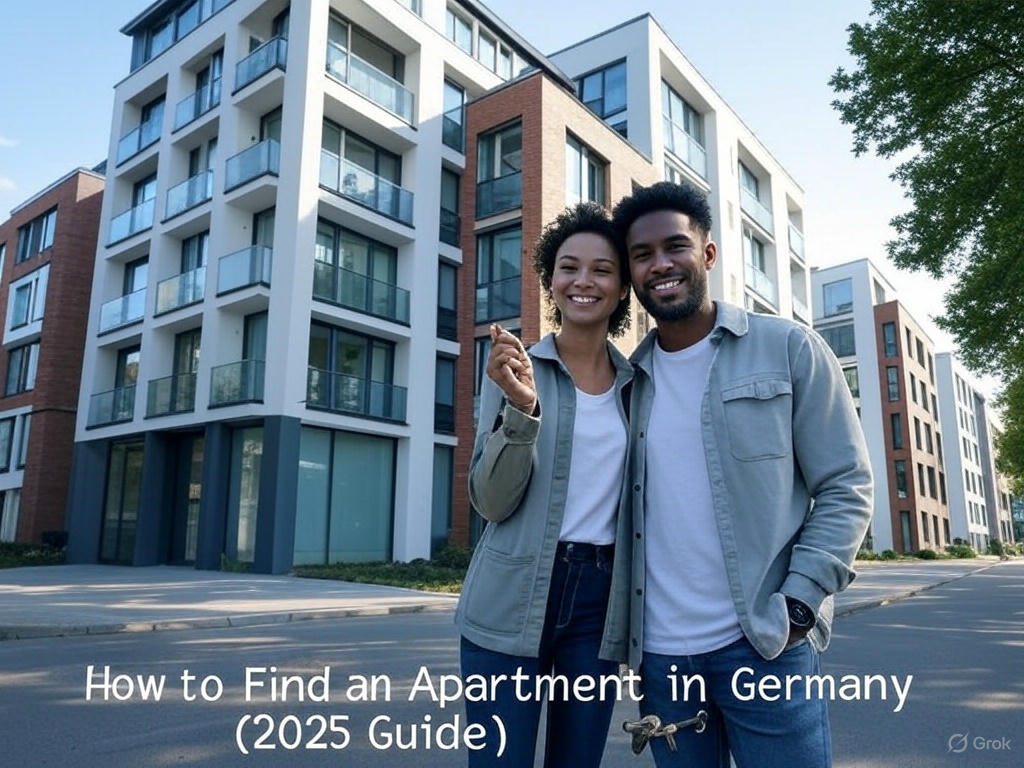
Navigating the German rental market can be challenging, especially for newcomers. This step-by-step guide helps you find and secure an apartment in Germany in 2026 — from the first search to signing the contract.
ImmoScout24 — Germany’s largest rental platform. Best for long-term apartments.
Search on ImmoScout24
WG-Gesucht — Best for shared apartments and rooms (WG).
Search on WG-Gesucht
1. Understand the Types of Housing in Germany
Germany offers several housing options depending on your situation and budget:
- Wohngemeinschaft (WG): Shared apartments — popular among students and young professionals. Cheaper and easier to find short-term.
- Mietwohnung: Standard rental apartment suitable for individuals, couples, or families.
- Furnished Apartments: Ideal for short-term stays but often come at a premium price.
Understanding these options helps you select the right fit before you start searching.
2. Where to Search for Apartments in Germany
Use these platforms to find available listings:
- ImmoScout24 — immobilienscout24.de — Germany’s number one rental platform
- WG-Gesucht — wg-gesucht.de — Best for shared rooms and WG apartments
- Immowelt — immowelt.de — Good alternative to ImmoScout
- eBay Kleinanzeigen — ebay-kleinanzeigen.de — Private landlords, often cheaper
- Wunderflats — wunderflats.com — Furnished apartments, good for newcomers
- HousingAnywhere — housinganywhere.com — International-friendly, English support
Additionally, join local Facebook groups dedicated to housing in your specific city — many landlords post there before listing on paid platforms.
3. Prepare Your Documents Before You Apply
The German rental market is very competitive. Having your documents ready gives you a huge advantage. Landlords typically require:
- Proof of income: Recent salary slips or employment contract
- SCHUFA report: German credit report showing your financial reliability. Get a free one at meineschufa.de
- Copy of passport: Valid identification
- Anmeldung: Proof of address registration — if you already have one
- Personal introduction letter: A short paragraph about yourself and why you want the apartment. Germans appreciate this.
Having all of these documents ready as a single PDF folder can significantly speed up your application.
4. Understand German Rental Terminology
Before signing anything, familiarize yourself with these common rental terms:
- Kaltmiete: Basic rent excluding utilities — this is what is usually advertised
- Warmmiete: Rent including heating and other utilities — this is what you actually pay monthly
- Nebenkosten: Additional costs such as water, garbage disposal, building maintenance
- Kaution: Security deposit — usually equivalent to three months of cold rent
- Wohnungsgeberbestatigung: Landlord confirmation letter — required for Anmeldung
Always check whether a listing shows Kaltmiete or Warmmiete — the difference can be 200-300 EUR per month.
5. Schedule Viewings and Act Quickly
The rental market in Germany — especially in cities like Munich, Berlin, Hamburg, Frankfurt and Mannheim — is extremely competitive. When you find a suitable listing:
- Act immediately: Send your application email within hours of seeing the listing — not days
- Be punctual: Arrive exactly on time for viewings — being late makes a very bad impression
- Dress professionally: First impressions matter greatly to German landlords
- Bring documents: Have your full document folder ready at the viewing
- Prepare questions: Ask about utilities, neighbors, internet connection and lease terms
Promptness and professionalism can set you apart from dozens of other applicants viewing the same apartment.
6. Complete Your Anmeldung After Moving In
After securing your apartment and moving in, you must register your address at the local Burgeramt (citizen’s office) within two weeks. This is called Anmeldung and is legally required in Germany.
Required documents for Anmeldung:
- Valid passport or national ID
- Wohnungsgeberbestatigung — confirmation letter from your landlord
- Completed Anmeldung registration form — available at the Burgeramt
Anmeldung is essential for almost everything in Germany — opening a bank account, getting a tax ID, registering for health insurance and more.
Read our complete Anmeldung guide here
7. Know the House Rules (Hausordnung)
German residences almost always have specific house rules posted in the building. Respecting these is essential for maintaining good relations with your neighbors and landlord:
- Quiet hours (Ruhezeiten): Typically between 10 PM and 6 AM and on Sundays all day
- Waste disposal: Germany has strict waste separation — paper, plastic, glass and organic waste all go in different bins
- Common area maintenance: Stairwells and shared spaces must be kept clean — sometimes tenants take turns cleaning
- No noise on Sundays: Avoid drilling, vacuuming or loud music on Sundays
8. Watch Out for Apartment Scams
Unfortunately apartment scams are common in Germany, especially targeting newcomers. Protect yourself by:
- Never paying upfront: Do not transfer any money before viewing the property in person
- Verifying listings: Cross-reference listings on multiple platforms — if a deal seems too good to be true, it probably is
- Protecting personal information: Only share your passport copy and income details with verified landlords or official agents
- Avoiding overseas landlords: Be very suspicious of landlords who claim to be abroad and want to send keys by post
Related Guides
Conclusion
Finding an apartment in Germany as an expat in 2026 requires preparation, speed and an understanding of local practices. Start your search on ImmoScout24 and WG-Gesucht, prepare your documents folder in advance, and always act quickly when you find something suitable.